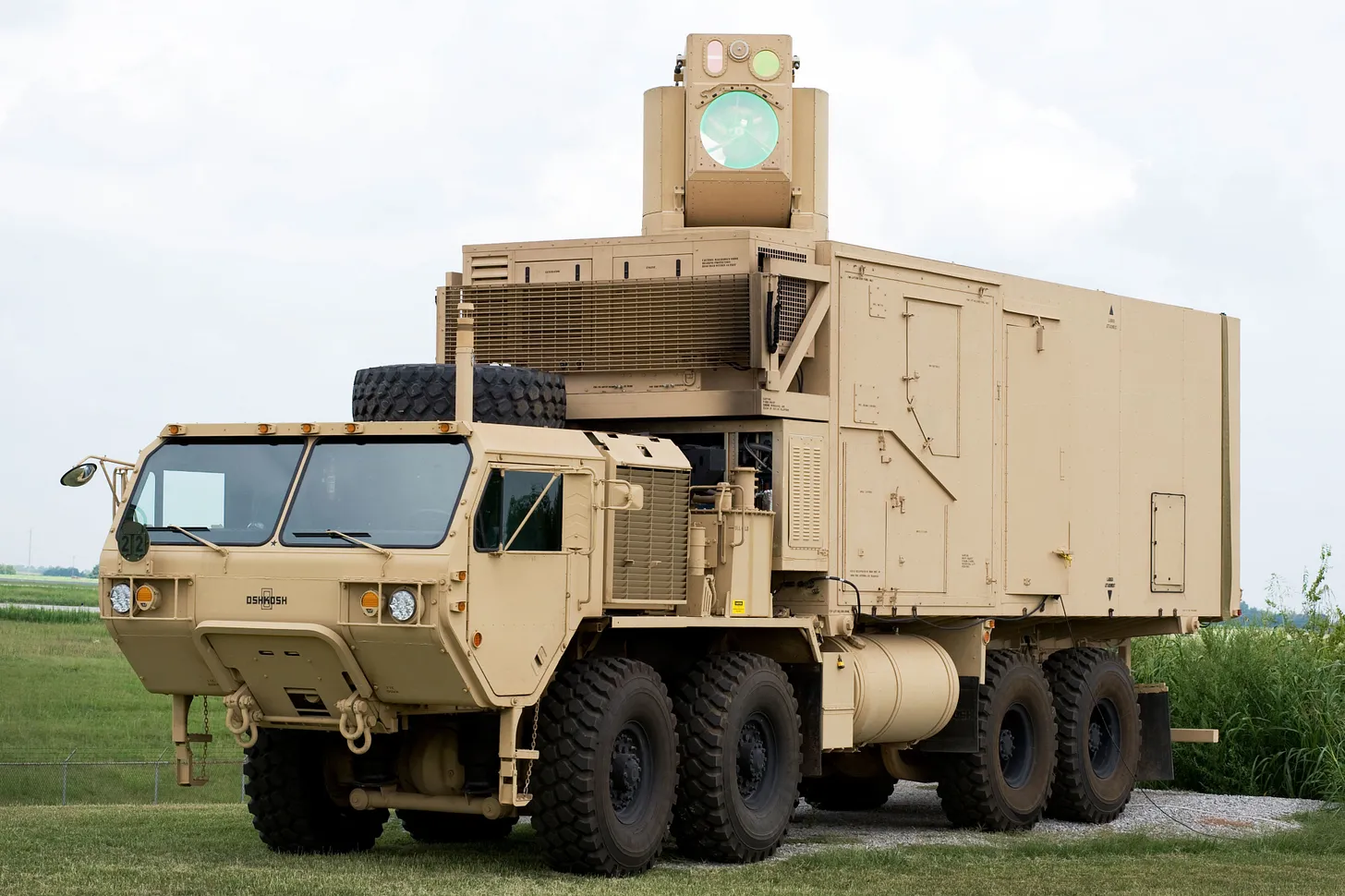
El US Army ha resuelto suspender el programa de Arma de Energía Dirigida (DEW- Láser) más poderosa hasta hoy, el IFPC-HEL de 300 kW. Conocido como “Valkyrie” y desarrollado por Lockheed Martin, este sistema tenía por objetivo proveer a las unidades de sistemas DEW- Láser aptos para la defensa contra misiles y drones. Años de investigación y ensayos, demostraron que el rendimiento de estas armas variaba sensiblemente entre los resultados del laboratorio y cuando se empleaban en condiciones de combate reales. Por esa razón, esta fuerza planea avanzar con el “Joint Laser Weapon System”, un programa conjunto con la US Navy. Asimismo y sobre la base del conocimiento y experiencia adquiridos, se siguen explorando tecnologías que permitan disponer de armas DEW – Láser más poderosas, capaces de entregar potencias del orden de los MW en lugar de los kW actuales.
IFPC-HEL wasn’t the US military’s only counter-cruise missile efforts in the works. The Navy is still pursuing its 300 kw High Energy Laser Counter-ASCM Program (HELCAP), while the Office of Naval Research is exploring an even more powerful 400 kw system through its SONBGOW project. Meanwhile, the Pentagon’s HELSI initiative is targeting megawatt-class lasers capable of engaging not just cruise missiles, but ballistic and hypersonic threats, with the department awarding nLight a contract in 2023 to develop a suitable system over three years. According to a recent report in Aviation Week, nLight is “on track” to demonstrate that system for defense officials this year, with a successful outcome likely solidifying potential plans to incorporate laser weapons into the Golden Dome’s layered defense architecture.
It’s unclear from the CRS report why the Army chose to abandon IFPC-HEL. But the decision mirrors its earlier move to drop the Stryker-mounted 50 kw Directed Energy Maneuver-Short Range Air Defense (DE M-SHORAD) laser weapon in favor of the upcoming Enduring High Energy Laser system, which may become the service’s first official directed energy program of record. In that case, hands-on soldier assessments conducted in the Middle East in 2024 revealed that “results from the lab environment and test ranges were very different from the tactical environment,” according to a separate CRS update published March 10. If a 50 kw system designed for drones like DE M-SHOARD struggles to perform outside of controlled conditions, scaling that technology up to 300 kw cruise missile defense may prove even more challenging.
The need for laser weapons capable of countering cruise missiles is clear, and the political and institutional will to develop them appears strong. But if the Army’s decision to move on from IFPC-HEL is any indication, the technology may not yet be ready for one of the most demanding missions in modern air defense.
⚡️Pulse
Updates from around the directed energy ecosystem
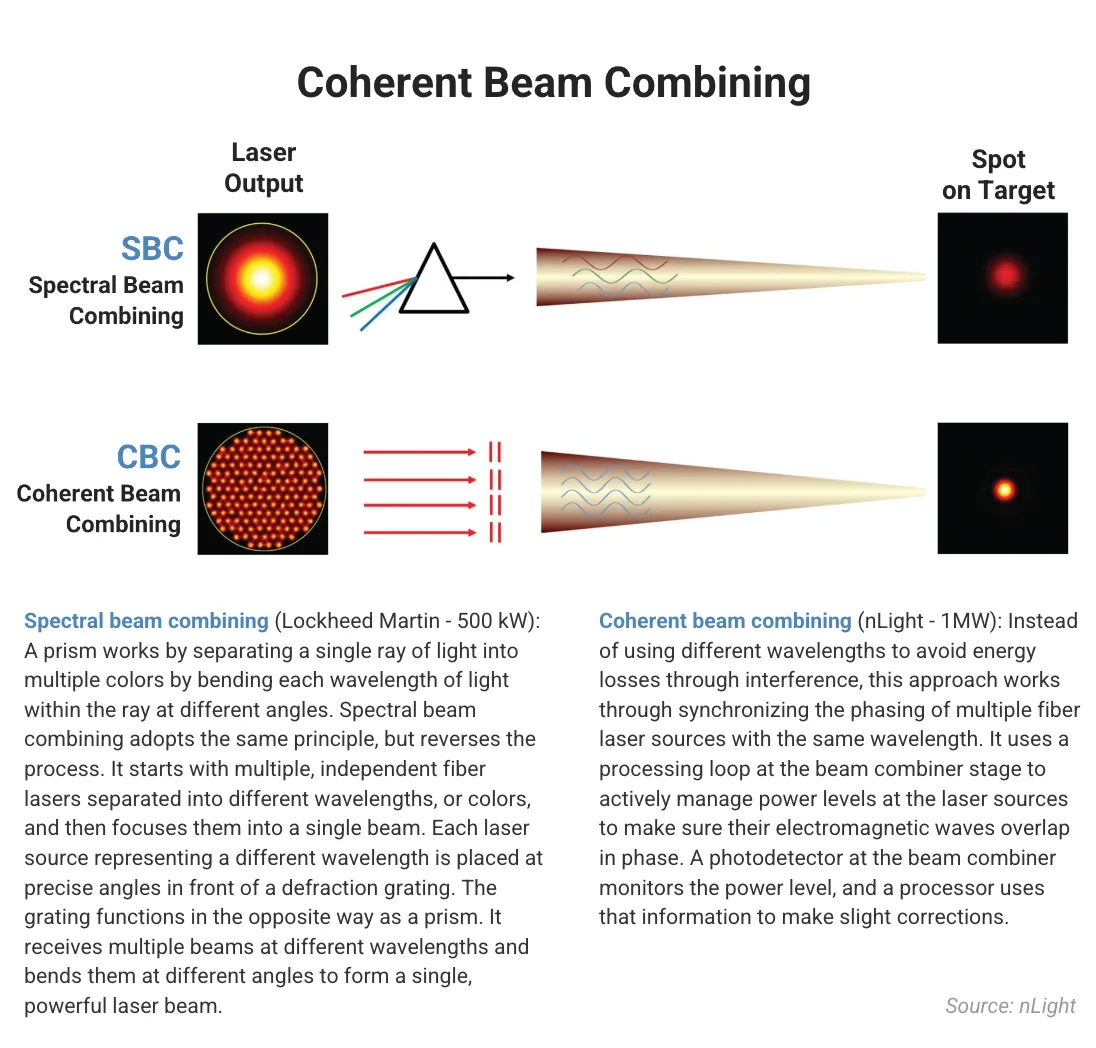
- A moment of truth for the Pentagon’s megawatt-class laser weapon efforts: In an excellent feature for Aviation Week, Steven Trimble examines the US military’s progress in developing megawatt-class laser weapons capable of defending against high-end threats beyond drones since establishing HELSI in 2018, including some detail on Lockheed Martin and nLight’s distinct approaches to the engineering challenge.
- The US Navy is considering containerized laser weapons: Speaking at a McAleese Defense Programs conference in Arlington, Virginia on March 17, Chief of Naval Operations Adm. Daryl Caudle laid out his vision for modular, containerized weapons and other payloads that can be swapped across existing ships without major integration or overhaul processes, as Defense Scoop described it. And those potential payloads include high-energy laser weapons, Caudle said: “From towed array sensors to drone swarms to electronic attack systems to high-powered lasers, I want to containerize everything.” Coincidentally, Lockheed Martin is developing a containerized version of its High Energy Laser with Integrated Optical Dazzler and Surveillance (HELIOS) weapon system.
- Japan completes shipboard laser weapon trials: Japan has completed a series of shipboard laser weapon trials aboard the Japan Maritime Self-Defense Force (JMSDF) experimental testbed ship JS Asuka and “will now begin work on a new prototype,” Janes reports. For more background on Japan’s naval laser weapon efforts, read this Laser Wars entry from December 2025.
Fuente: https://www.laserwars.net