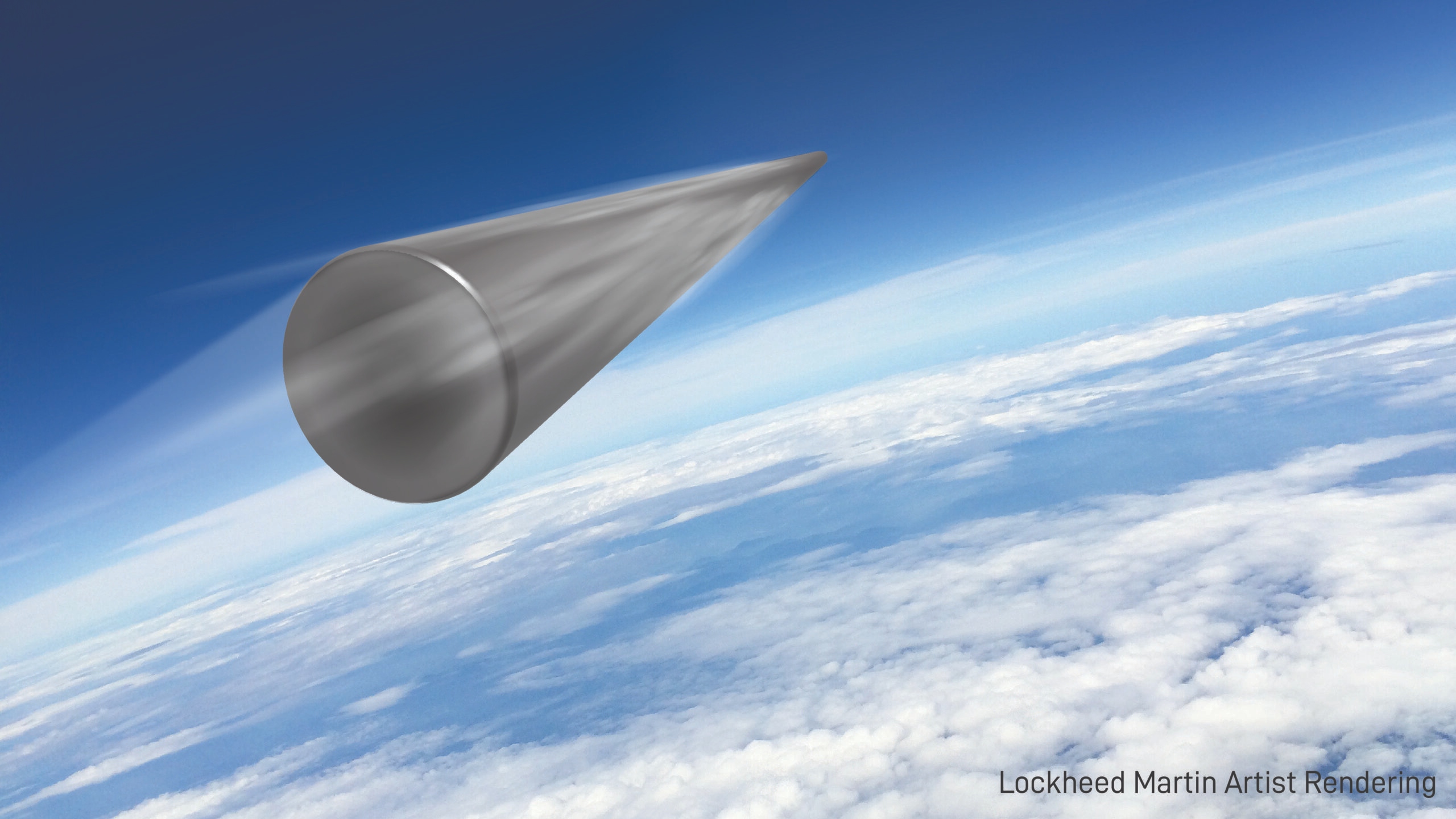
La US Air Force y Lockheed Martin han completado los ensayos de vuelo del Mk21A RV (Reentry vehicle), componente vital de la nueva generación de los Misiles Balísticos Intercontinentales (ICBM) SENTINEL, que reemplazarán a los ICBM MINUTEMAN III en servicio desde los años 70´s. El vehículo de reentrada Mk21A RV es solo una parte del ambicioso programa SENTINEL, pero su importancia radica en que debe alojar en su interior y transportar la ojiva nuclear modernizada W87-1, con una potencia estimada de hasta 475 kilotones, protegiéndola de las severas exigencias termo-mecánicas que sufre todo vector en el proceso de reentrada a la atmósfera terrestre. Se estima que el programa SENTINEL entraría en servicio hacia el 2030.
Lockheed Martin and the US Air Force have completed a flight test of the Mk21A reentry vehicle, a key component of the military’s next-generation Sentinel intercontinental ballistic missile (ICBM).
The unarmed developmental vehicle was recently launched over the Pacific Ocean from Vandenberg Space Force Base in California.
The test evaluated the Mk21A’s design and reentry technologies as Lockheed advances development under a prime military contract valued at more than $1 billion.
The Mk21A is designed to house and protect the nuclear warhead carried by the Sentinel ICBM as the missile travels through space and reenters the atmosphere.
Lockheed used data from previous tests, along with digital engineering, modeling, and simulation tools, to support the latest flight.
Results will inform further design refinements and preparations for the vehicle’s Critical Design Review.
“Testing is a stringent requirement in modernized defense programs, but more importantly, it’s the engine that drives maturity and reliability,” said Jason Watson, Lockheed’s vice president of Strategic Reentry Programs.
Why Mk21A Matters
The reentry vehicle is one part of the broader Sentinel program, which aims to replace the Minuteman III ICBM, in service since the early 1970s.
Sentinel will modernize the land-based leg of the US nuclear triad, which also includes submarine-launched ballistic missiles and nuclear-capable strategic bombers.
According to the Air Force Nuclear Weapons Center, the Mk21A will eventually replace the existing Mk21 reentry vehicle on Sentinel.
It must protect its payload throughout the missile’s flight, making its performance critical to the overall weapon system.
Sentinel’s development comes as the air force works to replace an aging missile force and its supporting infrastructure. The program covers not only the missiles but also launch facilities, command centers, and communications systems.
However, the transition has faced significant cost and schedule challenges.
A September 2025 Government Accountability Office report warned that delays could require the service to operate Minuteman III for up to another 25 years, increasing the challenges of sustaining the aging system.
In February, the US Air Force announced a restructuring of the Sentinel program, with initial operational capability now targeted for the early 2030s.
Fuente: https://thedefensepost.com