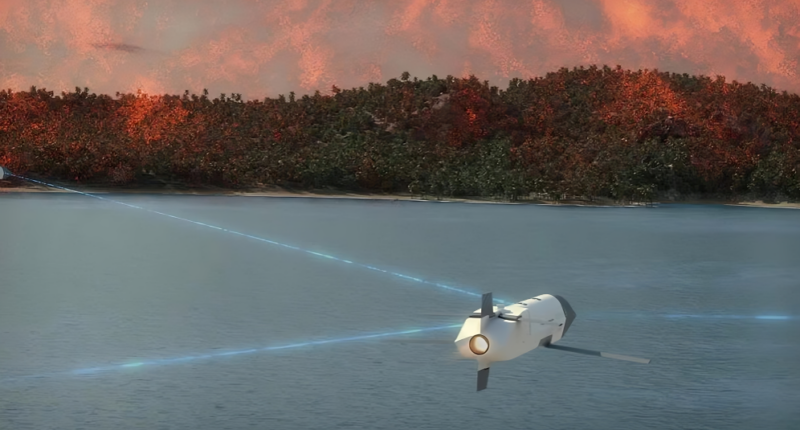
Autonomía y Guerra Electrónica (GE) se integraron en una exitosa prueba que se realizó con la colaboración entre las empresas L3Harris y Shield AI. En este ensayo, se combinó el Sistema de Gestión de Combate DiSCO de L3Harris con el software de Inteligencia Artificial Hivemind de Shield AI. La simulación permitió que múltiples drones analizaran el espectro electromagnético en tiempo real, para crear una visión unificada de las amenazas. Gracias a esta tecnología, los drones pudieron identificar zonas seguras y realizar acciones tácticas sin intervención humana directa. La integración demostró que los sistemas autónomos pueden detectar, procesar y responder de forma independiente a interferencias enemigas. El éxito de esta demostración marca un hito en la transición hacia una “GE impulsada por IA”. Las empresas citadas planean realizar pruebas de vuelo en escenarios con fuego real y emisores de radiofrecuencia operativos a finales de este año.
What happens when drones are given the ability to think for themselves in the electromagnetic battlefield? L3Harris and Shield AI have just offered a glimpse in a new autonomous electronic warfare (EW) trial.
The two companies combined L3Harris’ Distributed Spectrum Collaboration and Operations (DiSCO) battle management ecosystem with Shield AI’s Hivemind mission-autonomy software.
In a real-time simulation, DiSCO gathered and analyzed data from multiple unmanned aerial vehicles (UAVs) to create a unified view of the electromagnetic spectrum.
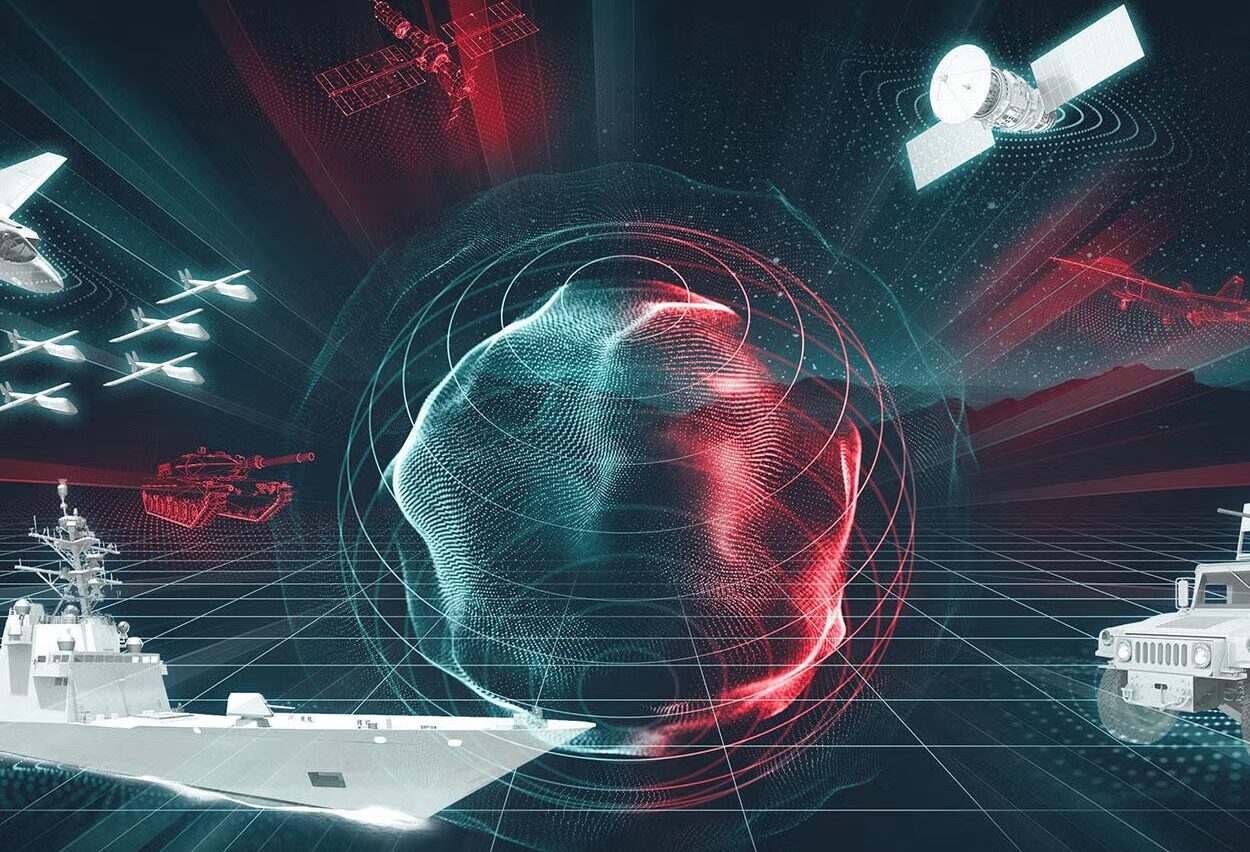
This enabled a Hivemind-powered drone to identify safe operating zones and carry out tactical maneuvers without human input.
The demo showed how autonomous decision-making and spectrum management can work together within a coordinated system.
“Electronic warfare moves at machine speed, and operational advantage depends on autonomy,” said Christian Gutierrez, vice president of Hivemind Solutions at Shield AI.
“Our integration with DiSCO shows that unmanned systems can sense and act across the electromagnetic spectrum in real time, and we’re excited to build on this momentum with L3Harris.”
Pushing EW Forward
The demo marks a step forward in autonomous EW, showing that drones can independently identify, process, and respond to electromagnetic threats in real time.
L3Harris said the test also highlighted its ability to quickly deliver AI-driven, multi-domain systems designed to support warfighters.
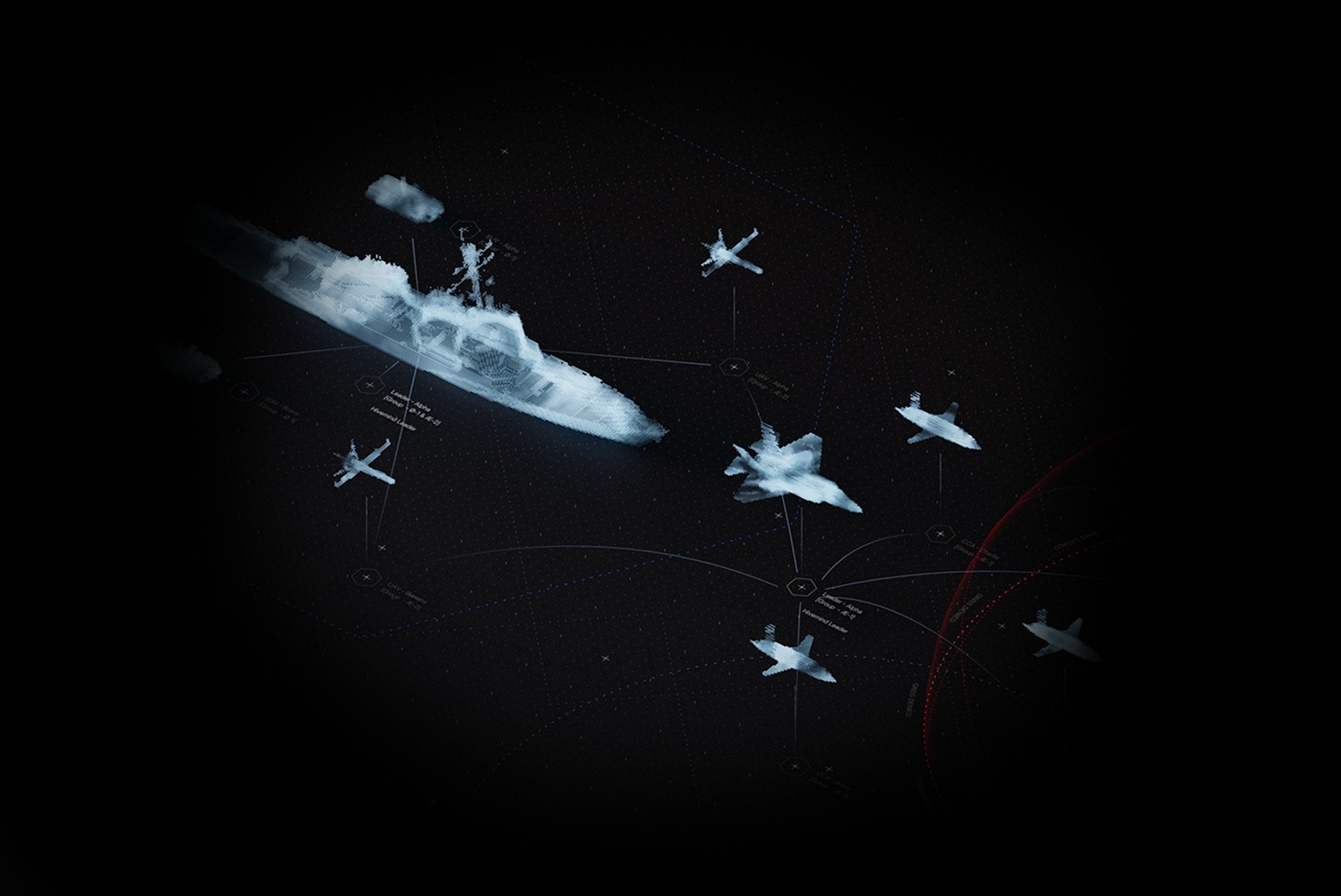
“By integrating autonomous decision-making with advanced battle management technology, we’re answering the Pentagon’s urgent call for coordinated command-and-control of multiple unmanned systems,” stated Lauren Barnes, president of spectrum superiority at L3Harris.
The two firms plan to move to live flight testing later this year, using real radio-frequency emitters and operational hardware to further evaluate autonomous EW capabilities.
Fuente: https://nextgendefense.com