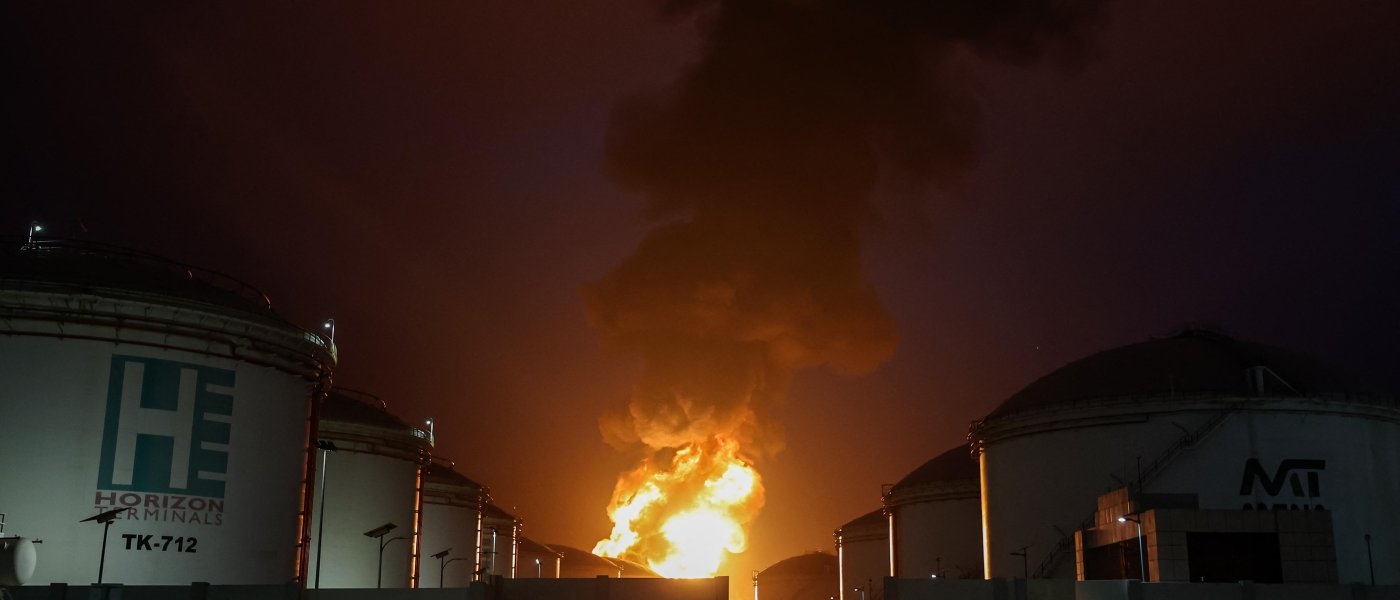
El informe del Center of Strategic and International Studies (CSIS) analiza cómo la guerra entre EE UU e Israel contra Irán, ha tenido un impacto devastador en las exportaciones de energía del Golfo Pérsico, debido a la capacidad de Teherán para bloquear el tráfico marítimo en el estratégico Estrecho de Ormuz. Como respuesta a esta seria vulnerabilidad con efectos de alcance global, los países de la región han comenzado a adaptarse mediante la construcción de nuevos gasoductos y oleoductos, como alternativa para evitar navegar el estrecho, aunque esto no elimina por completo la amenaza de ataques directos sobre la infraestructura específica, por parte de Irán y su aliados.
In the U.S. and Israeli war against Iran, Tehran’s strongest weapon has been its ability to threaten oil and gas shipping through the Strait of Hormuz. This threat devastated regional energy exporters: A month into the war, Saudi Arabia’s oil exports had fallen by more than a third, those of the United Arab Emirates (UAE) were reduced by over 50 percent, and Kuwait’s and Iraq’s had ceased almost completely. Within the same time frame, Qatar’s and the UAE’s liquefied natural gas (LNG) exports were entirely cut off. In addition to successful attacks on oil and LNG tankers, the very threat of such strikes led to a decline in commercial shipping: In the early months of the war, shipping companies were hesitant to endanger their personnel, and insurance companies refused to provide insurance or charged much higher rates. Although shipping increased over time, concerns about risk remained high.
 Fuente: https://www.csis.org