La empresa Continuous Composites ha recibido un contrato plurianual por parte del Ejército de EE.UU. (DEVCOM AvMC). El objetivo final de este acuerdo es mejorar la capacidad de producción y disponibilidad de componentes de sistemas de armas complejos como los misiles, utilizando su tecnología de impresión 3D CF3D. Este esfuerzo de I&D+P busca utilizar materiales avanzados y modernas tecnologías de fabricación, empleando fibra de carbono en componentes del Precision Strike Missile (PrSM) del US Army. El objetivo específico es establecer un método de producción escalable y apto para estructuras complejas, tales como ojivas, aletas de dirección, bordes de ataque de alas y otros. Esto permitiría superar ciertas limitaciones propias de los métodos tradicionales de fabricación, acelerando los tiempos de entrega de productos y fortaleciendo la base industrial de defensa de ese país.
Continuous Composites has secured a multi-year contract with the US Army to explore faster and more scalable production methods for next-generation missile components using its additive manufacturing technology.
The work is led by the US Army DEVCOM Aviation and Missile Center and supported by the Manufacturing Technology program, with execution through America Makes.
It focuses on improving how complex missile structures are designed and produced, particularly for precision strike systems where cost, speed, and consistency have become key constraints.
At the center of the effort is CF3D, Continuous Composites’ composite 3D printing process that enables fiber-steered designs and automated fabrication of high-performance structures.
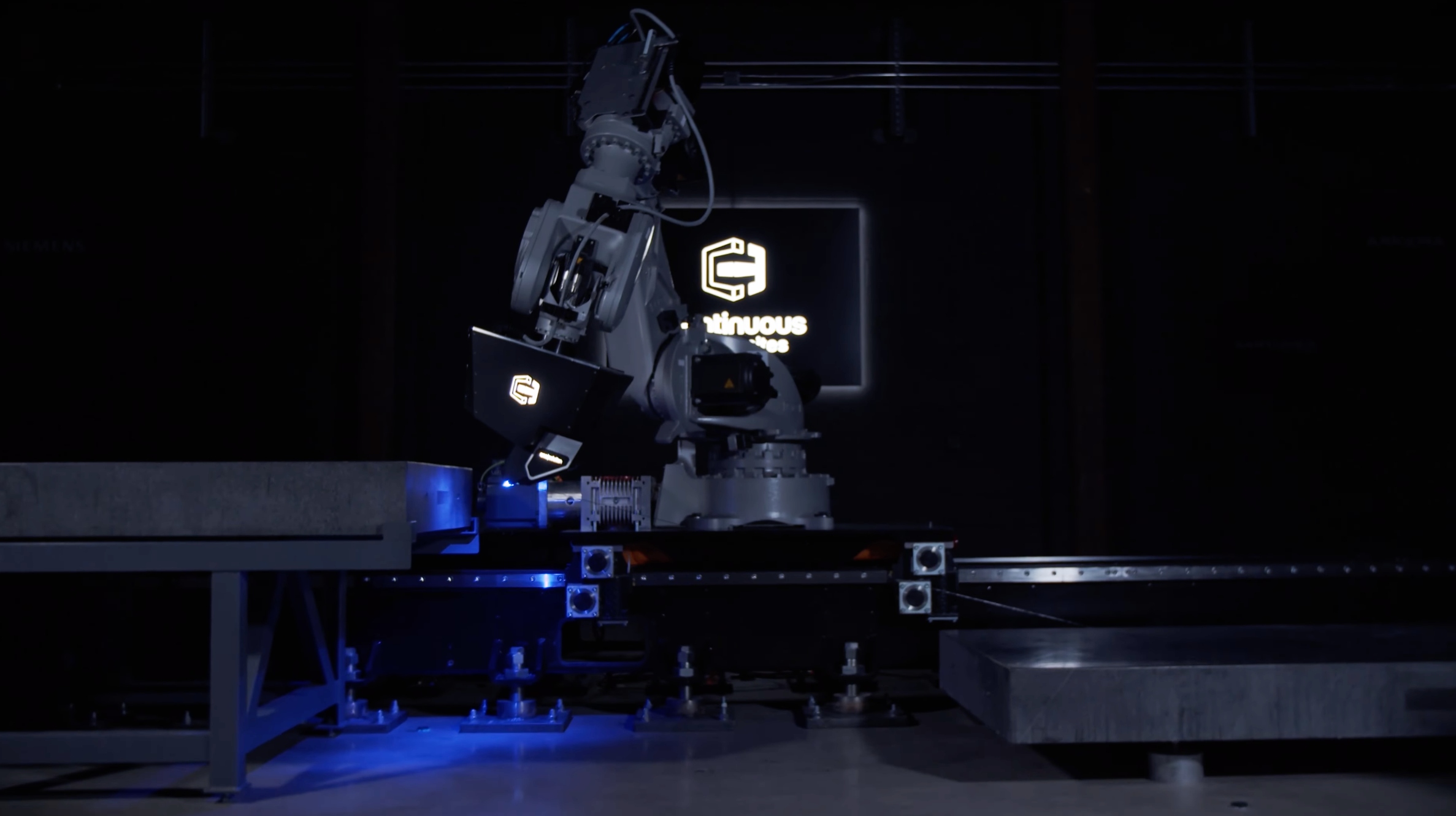
The company will evaluate how the technology can be applied to missile components such as nose cones, fins, leading edges, and bulkheads, which traditionally require labor-intensive manufacturing methods.
“Our goal is to lower program risk, improve system capability, and position our customers for confident, scalable production in the future in alignment with Department of Defense priorities,” Continuous Composites CEO Steve Starner said.
Missile Production Push Across US
The Continuous Composites effort aligns with a wider set of US programs aimed at expanding missile production capacity and modernizing manufacturing methods across the defense sector.
In June, RTX committed $100 million to expand its Raytheon facility in Rhode Island, increasing test capacity for the Lower Tier Air and Missile Defense Sensor radar and scaling production of Patriot Guidance Enhanced Missile–Tactical components.
In May, the US Army awarded Leidos a $2.7-billion contract to transition hypersonic weapons programs from development to production, consolidating the Thermal Protection Shield and Common Hypersonic Glide Body efforts into a single production framework to speed up delivery and stabilize supply chains.
The same month, the Pentagon signed a framework deal with Anduril Industries to ramp up production of the Barracuda-500M surface-launched cruise missile, targeting at least 3,000 systems for delivery to the army over three years.
Fuente: https://thedefensepost.com