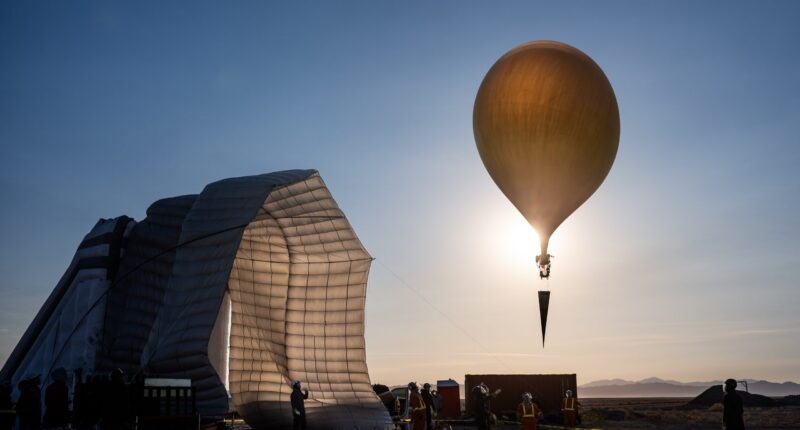
El presente artículo desarrolla aspectos relacionados con Aires Tide, un innovador vehículo de pruebas de vuelo de EE.UU, con forma de cono de 3.35 metros de altura. Su función principal es recopilar datos sobre la temperatura y vibraciones extremas que experimentan los componentes estructurales y funcionales de vectores nucleares en su trayectoria hacia un objetivo. Lo más destacado de este prototipo, es que fue diseñado empleando inteligencia artificial (IA) y Supercomputadoras (como Venado y El Capitan). Además, fue construido mediante sofisticado equipamiento de AM – 3DP (impresión 3D) utilizando una aleación ultrarresistente de níquel, cromo e hierro. Este proyecto representa la primera demostración pública de la Misión Génesis, una iniciativa que conecta a varios laboratorios nacionales de EE. UU. (como Sandia y Los Álamos) para aplicar IA y otras sofisticadas tecnologías emergentes en el ámbito de la defensa.
A new 3D-printed flight-test vehicle from the US is built to capture the extreme heat and vibration experienced by a nuclear weapon as it travels toward its target.
Released images show the “Aires Tide” vehicle prototype in an 11-foot (3.35-meter) cone-shaped configuration equipped with integrated sensors and power buses.
Built using AI-enabled additive manufacturing tools, the platform incorporates a high-performance nickel-chromium-iron alloy to withstand harsh flight conditions.
Engineers used AI to optimize the vehicle’s thermal and structural performance before printing its fuselage on a Velo Sapphire XC 3D system.
Its development was also supported by the Venado and El Capitan supercomputers operated by the US National Nuclear Security Administration.
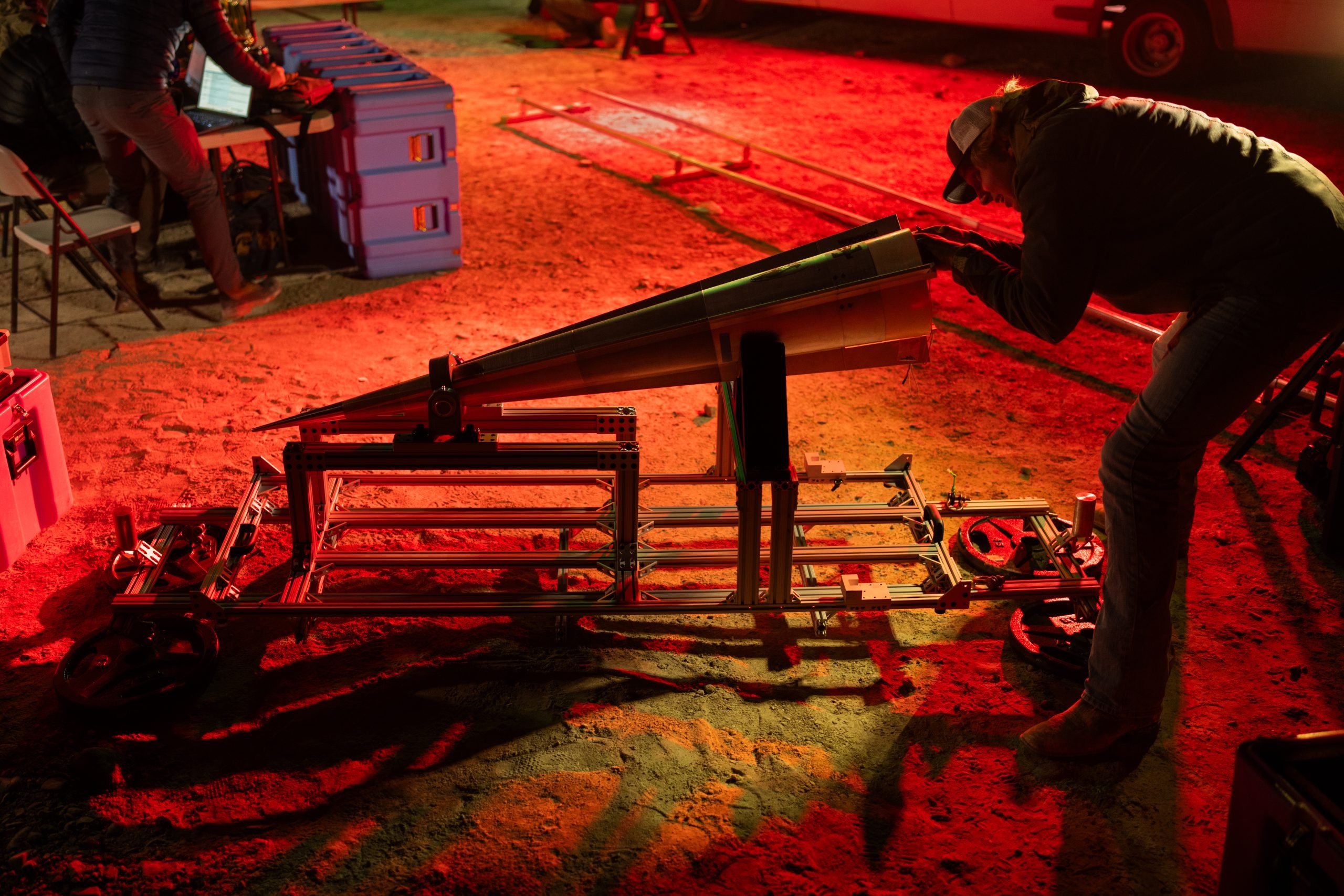
The project brought together Sandia National Laboratories, Los Alamos National Laboratory, Lawrence Livermore National Laboratory, and the Kansas City National Security Campus.
“Artificial intelligence helps us move faster and reach better solutions in both our technical and operational work,” said Laura McGill, director of Sandia National Laboratories.
“It makes us more effective, freeing our engineers, scientists and other staff across the Labs to focus on the critical, high-value work we do best. That ultimately allows Sandia to serve the nation even better.”
The prototype was displayed at the National Mall in Washington, DC.
High-Altitude Flight Tests
Aires Tide entered flight testing in May, completing two high-altitude drop evaluations after being released from 32,000 feet (9,750 meters) above the US Army’s Dugway Proving Ground.
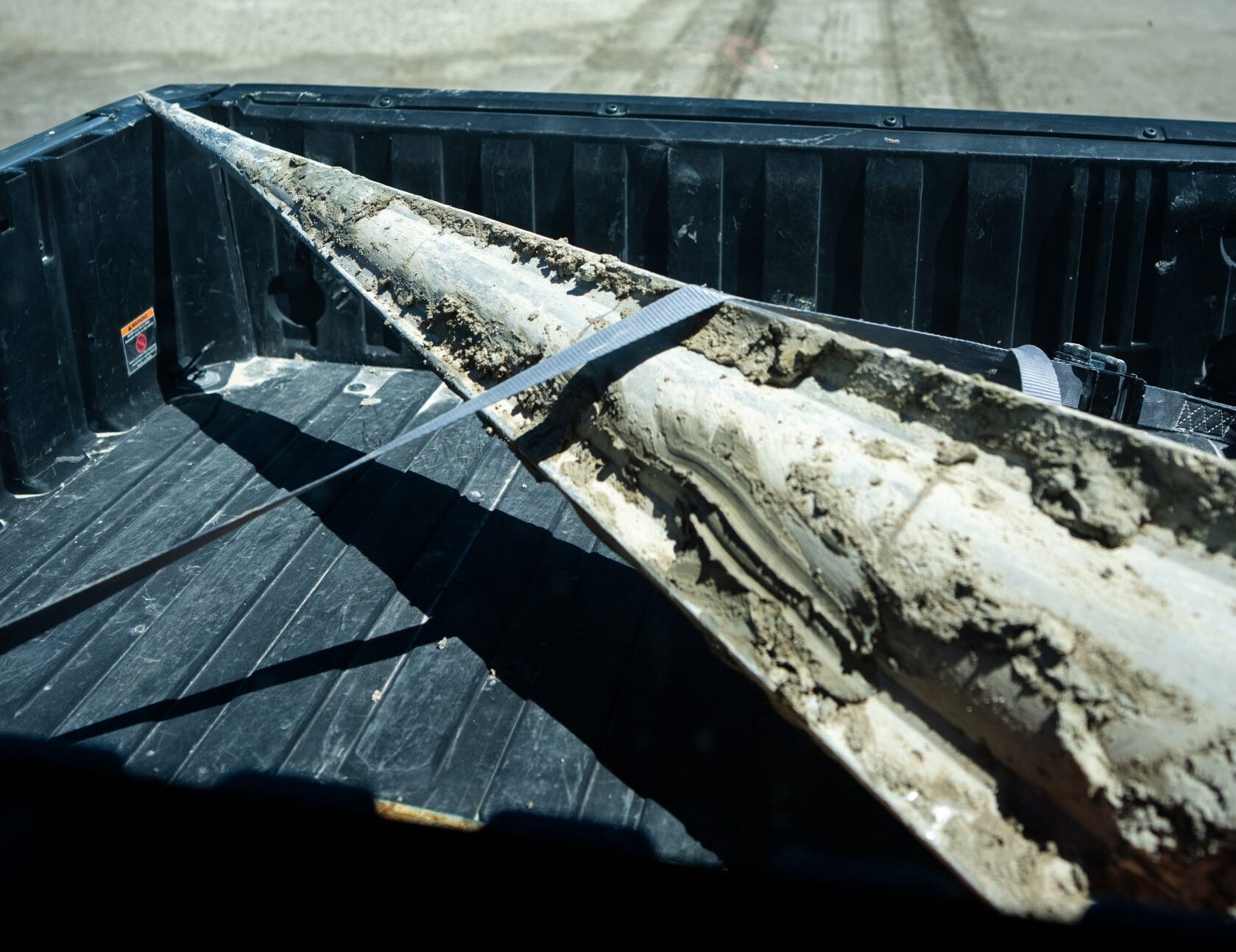
Engineers will use data gathered during the evaluations to refine future systems developed using the same AI-enabled engineering approach.
The project also marks the first public demonstration of the Genesis Mission, an initiative launched last year to connect the US Department of Energy’s national laboratories and apply AI to some of the government’s most complex national security challenges.
Fuente: https://nextgendefense.com