Desde hace más de medio siglo, el mar Báltico sufre un proceso de eutrofización. Este fenómeno se produce cuando el entorno se enriquece en exceso con nutrientes como nitrógeno y fósforo, lo que provoca proliferaciones de algas, agotamiento del oxígeno y la asfixia de la vida acuática. Cuando ese exceso de algas se descompone y genera grandes cantidades de dióxido de carbono, el pH del agua de mar desciende y aumenta el riesgo de acidificación. Estos nutrientes proceden en gran medida de actividades humanas como los fertilizantes y el estiércol de la agricultura, las aguas residuales no tratadas o mal tratadas y los desechos industriales, en particular de la industria alimentaria y la fabricación química. Aunque la eutrofización del mar Báltico está causada por la contaminación por nutrientes, el cambio climático empeora sin duda la situación. Las temperaturas superficiales en la cuenca central de Gotland han aumentado una media de casi 2ºC desde 1960. Según las simulaciones del nuevo estudio del IOW, también se observa una tendencia al calentamiento en las capas de agua más profundas.
The Baltic Sea is one of the world’s most oxygen-depleted major bodies of water. The reason is excessive concentrations of phosphorus, an element essential for life—and an important ingredient in fertilizer. New research shows a way to possibly convert this problem into a resource that reduces Europe’s dependency on phosphate mining while revitalizing the Baltic ecosystem.
Phosphorus is important for global food production, but Europe has almost no natural deposits and relies heavily on imports. A research team at KTH Royal Institute of Technology sees a possible solution just a few kilometers east of the university’s Stockholm campus. The study is published in the journal Water Research.
A semi-enclosed, brackish sea with slow water exchange through the Danish Straits into the North Sea, the Baltic has more phosphorus build-up than it can handle.
Associate Professor Zeynep Cetecioglu, a microbiologist and wastewater engineer at KTH, says that phosphorus deposits in the muck at the bottom of the Baltic can be released and recovered in a controlled and efficient way.
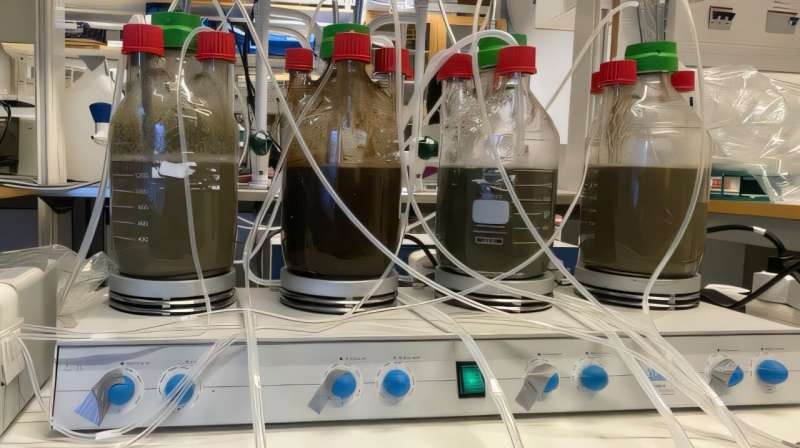
The study describes a two-step approach, using microbes to loosen phosphorus from sediment and then adding a compound that binds metals to further release the phosphorus so it can be captured and turned into a usable product, such as fertilizer.
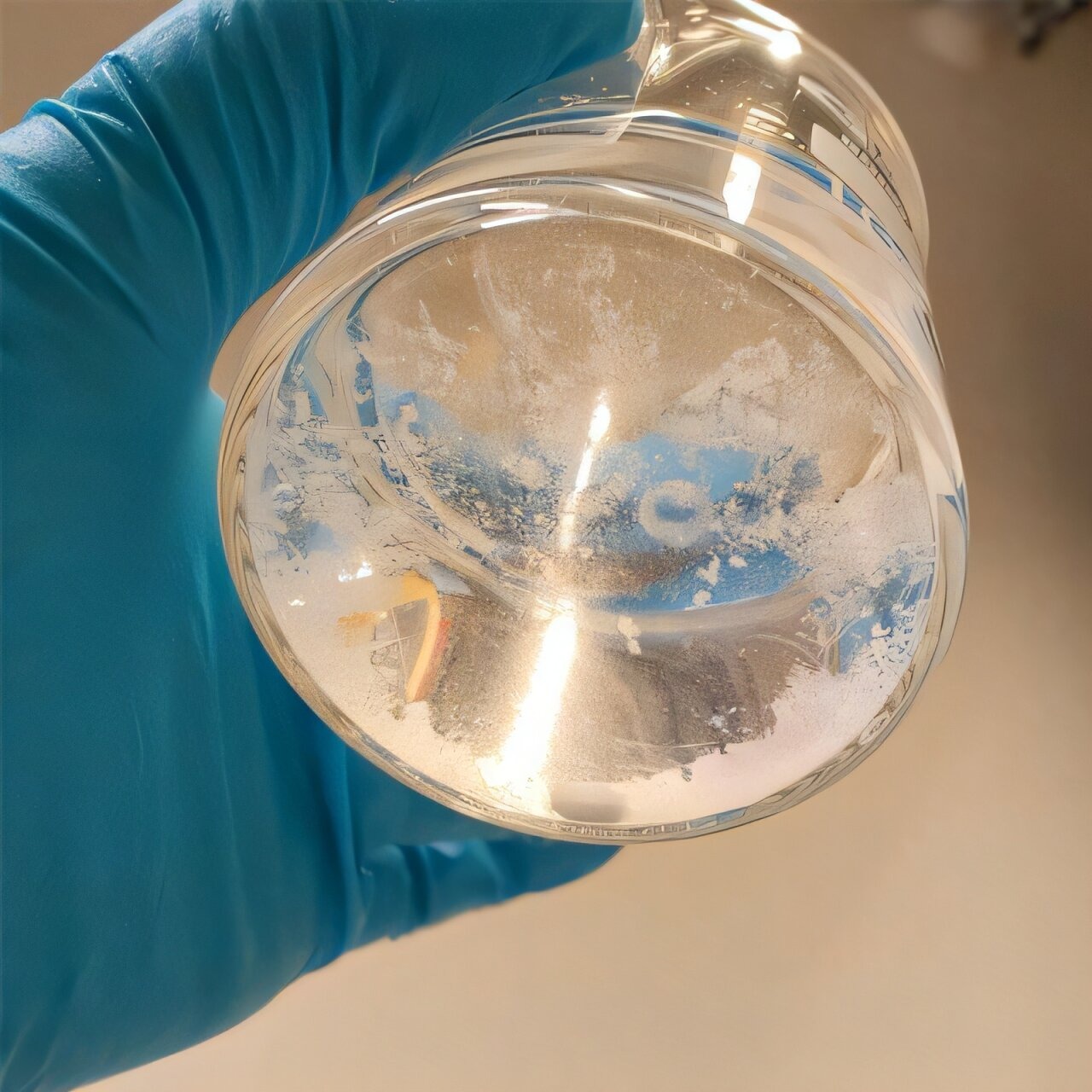
“Phosphorus is a critical agricultural nutrient and Europe imports a large amount of it,” Cetecioglu says. “This new method to reclaim phosphorus from sediments could reduce dependence on imported phosphate rock.”
In controlled lab tests, the process loosened 80% of the phosphorus contained in sediment and the researchers were able to recover 99% of that. The team reports that in this setting they also saw the abundance of beneficial microbes increase dramatically.
Cetecioglu stresses that the method is not ready for direct use in the sea. Further development will be needed, she says. For example, in order to avoid harming marine ecosystems, the process would have to take place in enclosed, land-based facilities where sediments are treated safely and no chemicals or microbes escape.
The researchers aim to explore sustainable alternatives to the binding compound. These may include biologically generated organic acids that offer effective separation with improved environmental compatibility.
If successful, the technology would represent an important contribution to environmental health and European resilience, she says. “By offering technology for nutrient recovery and pollution control, it strengthens Europe’s ability to address eutrophication in coastal waters and move toward circular nutrient economies.”
Fuente: https://phys.org